

While strikes have long been a defining feature of industrial society — serving as a collective means through which workers demand recognition and reform from those in power — the growing frequency of strikes in the United Kingdom reflects a deepening class crisis.
Historically, industrial action was largely confined to working-class unions in sectors such as mining, transport, and manufacturing. Yet in recent years, professionals such as doctors, barristers, and nurses have also joined the picket lines, signalling that discontent is no longer limited to traditional labour movements. This development exposes the intensification of systemic inequalities inherent in capitalism and the growing inability of the current economic order to meet even the most basic needs of those who sustain it.
The fact that essential professionals — those who uphold the very fabric of society — are now striking demonstrates how thoroughly the capitalist system has failed to protect the interests of labour.
Under capitalism, wealth is produced collectively but appropriated privately. The means of production — factories, corporations, capital, and land — are controlled by a small elite, often referred to as the top 1%, while the vast majority sell their labour for wages that seldom reflect the true value of their work. This disparity has become increasingly visible in contemporary Britain, where CEOs and shareholders accumulate record profits while workers face stagnating pay, rising living costs, and deteriorating working conditions.
The widening gap between the capitalist class and the working population exposes the exploitative logic of modern economies.
Those who control capital continue to extract surplus value from the labour of others, enriching themselves while offering workers only a fraction of what their efforts produce. This inequality is not an unfortunate by-product of the system but a defining feature of it.
As Marx argued, the accumulation of capital in the hands of the few inevitably leads to the impoverishment and alienation of the many. Strikes, therefore, are not merely industrial disputes — they are acts of resistance, organised expressions of class struggle that challenge the injustices embedded within the capitalist mode of production.
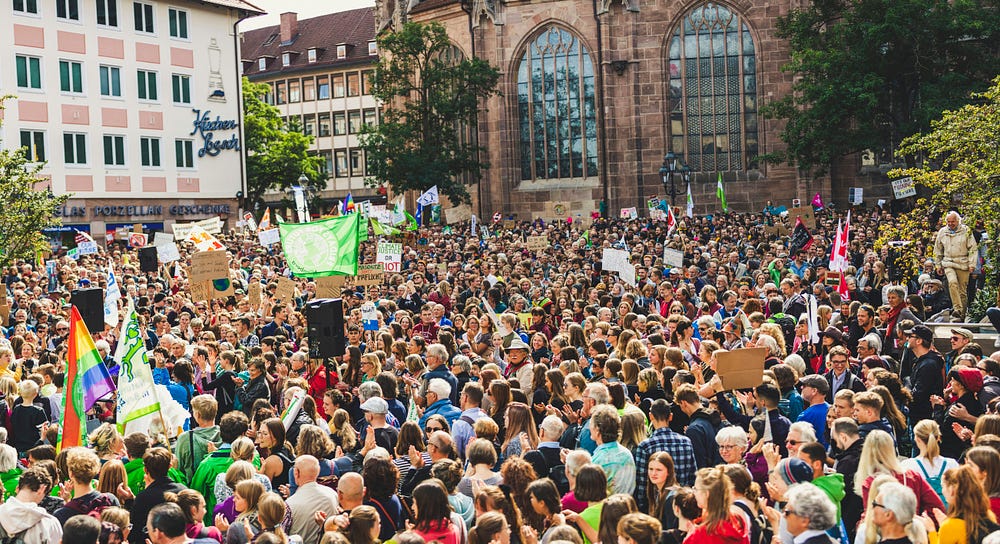
The political and economic fabric is fraying, and this discontent is manifesting across multiple arenas — from workplaces to streets, from wage disputes to global calls for liberation. Whether in industrial action or political protest, the underlying cause remains the same: a system that concentrates wealth and power in the hands of the few while marginalising the many.
War, inequality, and exploitation are all rooted in the same foundation… Capitalist greed.
The increasing frequency of strikes among professionals, combined with the surge in mass protest movements such as the pro-Palestine marches, illustrates the scale and urgency of this crisis. Both forms of collective action arise from a shared frustration at being ignored by those in power and a determination to reclaim agency in a system that silences dissent. Yet, in the UK today, protests are increasingly colliding with state power.
At a London demonstration for Palestine, for instance, authorities arrested nearly 900 people — many under terrorism laws — merely for holding placards stating, “I oppose genocide / I support Palestine Action.” Scholars have argued that this reflects a broader pattern of surveillance, censorship, and the criminalisation of dissent.
Why Limiting Protest Threatens Democracy
The repression of protest movements marks a dangerous turn for democracy. The recent wave of anti-protest legislation in the UK, judicial pushbacks against it, and the mass arrests of peaceful demonstrators all point to a growing struggle over the public’s ability to be heard.
When protest is stifled, democracy becomes hollow. The working class and marginalised communities lose their agency; resistance is silenced; and governance becomes increasingly detached and unaccountable.
From a Marxist perspective, such repression is not incidental — it serves to protect the interests of the ruling class.
Limiting protest restricts one of the few remaining avenues through which ordinary people can challenge economic and political injustice. In doing so, the state reveals its allegiance to capital rather than to democratic principles.
The defence of protest rights, therefore, is inseparable from the broader fight against capitalist domination.
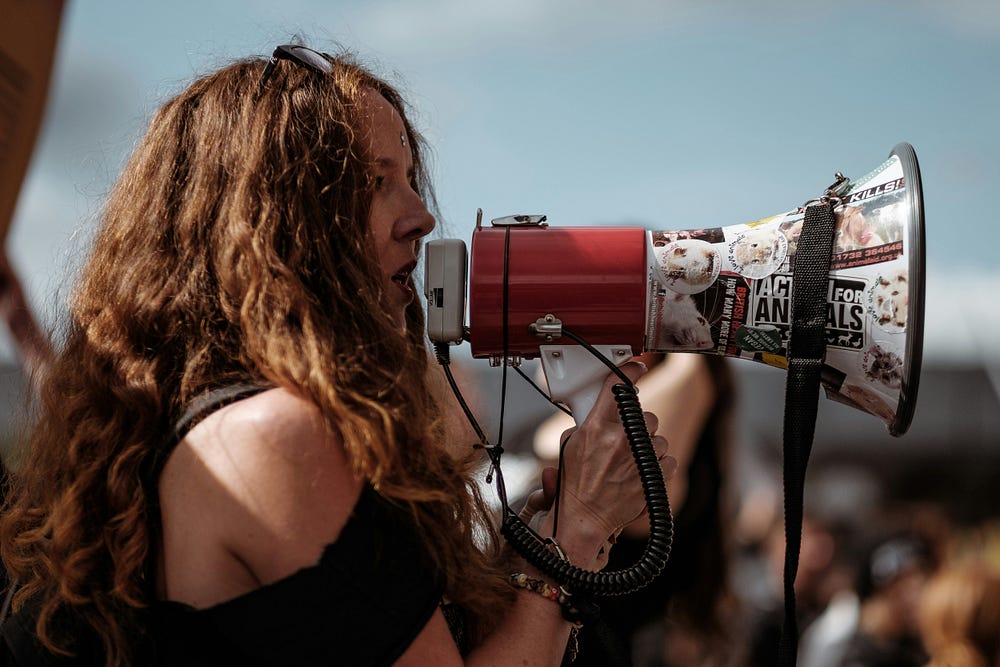
Strikes and protests alike must be recognised not as disruptions, but as essential mechanisms of collective struggle and social transformation. To repress them is not merely to limit dissent; it is to erode the very foundations of democracy itself.
 ANARKISS