

Seeing how much hate there is in ‘Great’ Britain right now is heartbreaking.
The fear that asylum seekers must be feeling. They have travelled so far to get here, risking their lives to cross the English Channel, only to arrive at their place of supposed safety and feel that their lives are just as much at risk as they were before.
I wrote an article which my local newspaper, the Doncaster Free Press, published last week, and I was shocked to read the comments. More than shocked, in fact, I was scared.
Who knew that promoting love could cause so much hate?
Ultranationalism (noun): An extreme, fervent, and often aggressive form of nationalism that advocates for the absolute dominance of one’s own nation above all others, often promoting a sense of national superiority, and may involve calls for aggressive foreign policy and the subjugation of other groups or nations.
Sound familiar?
Ultranationalism was the cornerstone of Nazi ideology.
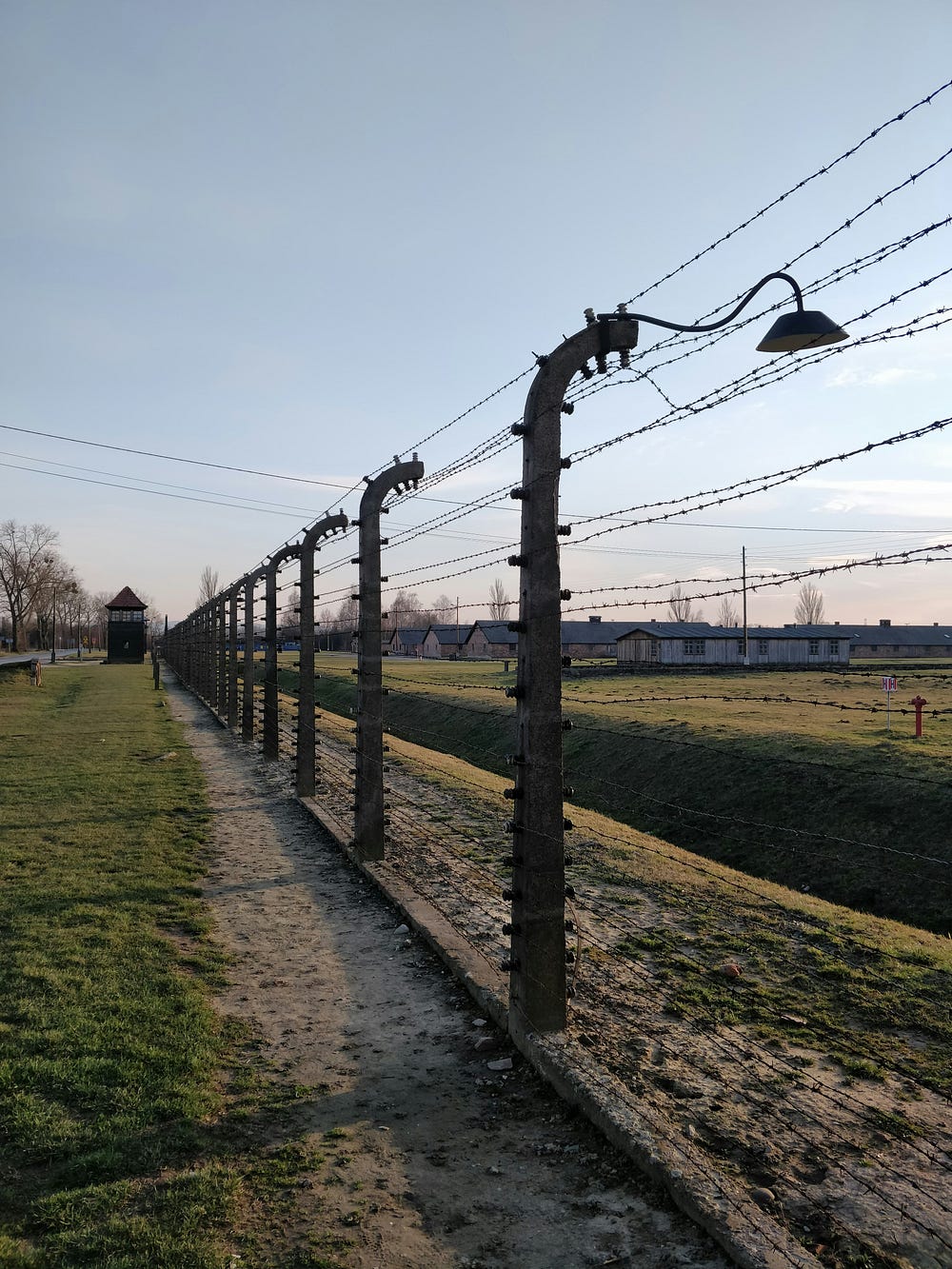
The parallels that 2025 Britain shares with 1933 Germany are stark. The flag raising. The nationalism disguised as patriotism. I’m terrified to think where this is heading, especially with a reform council in power in much of the UK…
Even the government that we have now, which was once left-wing, Labour, is heightening tensions as they seem unable, or more so, unwilling, to pour water over the flame. It’s all a game of party politics. As Reform UK becomes ever more powerful, Labour needs to win back some of its voters. The way to do that? Be a diluted version of Reform…
Did I mention that I am scared?
We all know that an attack on one is an attack on everyone. Referring back to 1932 Germany, it wasn’t just Jewish people that were targeted, but anyone ‘other.’
Black people, German civilians (non-Jewish) accused of disobedience, resistance, or ‘partisan activity’; gay men, bisexual men, and other men accused of homosexuality, Jehovah’s Witnesses; people with disabilities; Poles; political opponents and dissenters; Roma and other people derogatorily labelled as “Gypsies”; social outsiders derogatorily labelled as “asocials” or “professional criminals”; and Soviet Prisoners of War.
The people commenting on my article weren’t just commenting on the subject matter in question (asylum seekers), but also on my sexuality (which they had assumed based on one photo of me)…
You are not just gay; you are a disease and mentally ill. LGBTQ should be abolished.
This is how it always starts.
It always starts with one marginalised group.
Then, it was Jewish people.
Now, it is migrants.
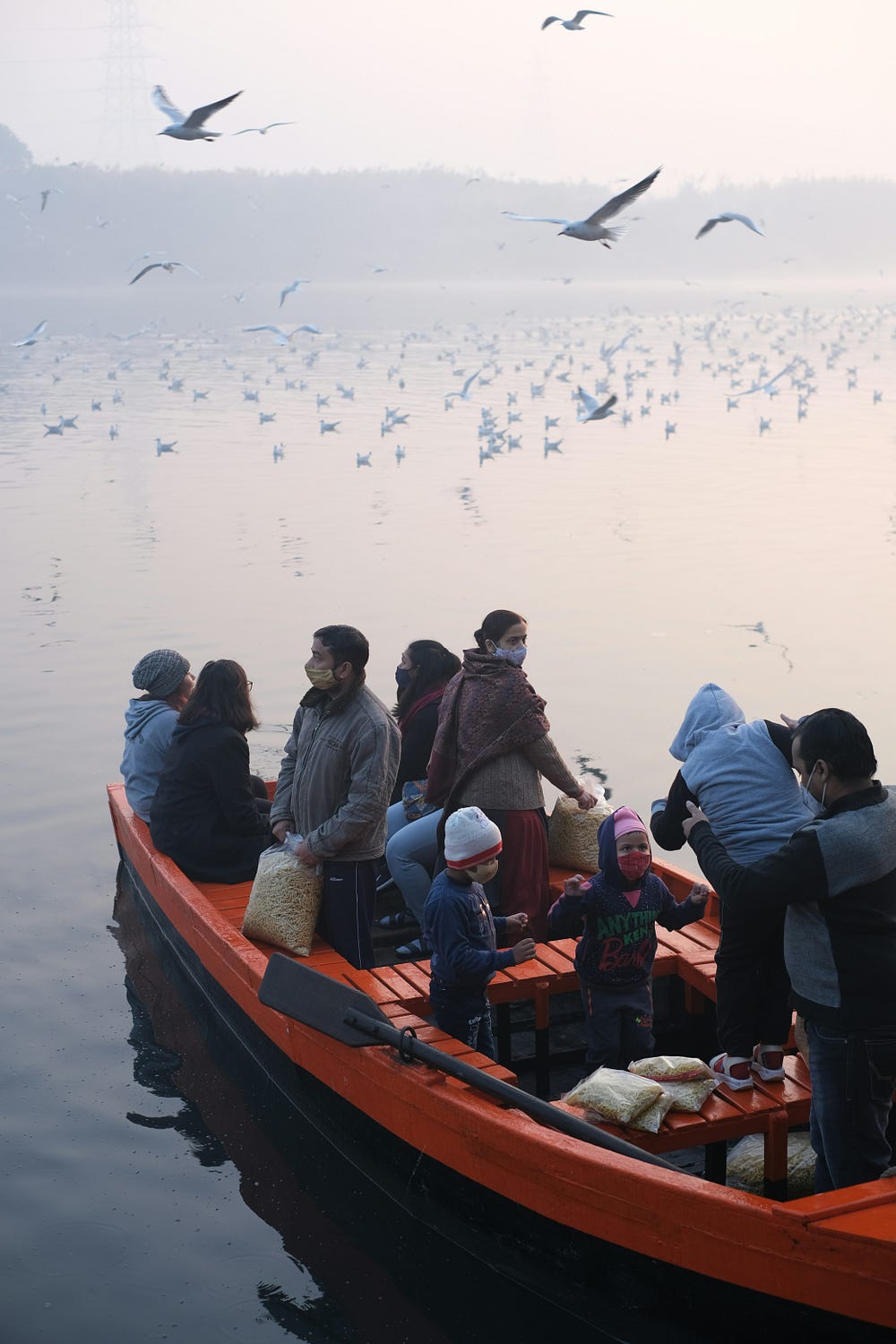
Someone who commented on my article to express their gratitude, some welcome hope amid a field of hate, agreed to be interviewed. I hope that their words make people realise that migrants are not some ‘alien’ species; they are human, just like us.
‘T’ migrated to the UK as a teenager. They have been in the UK for a couple of years now and consider themselves to be one of the ‘good’ migrants (they are white, and their accent is minimal). Even they, however, have experienced the impact of xenophobia firsthand.
Below is the conversation I had with them…
Since arriving in the UK, what has the general reception been like from the British public?
T: I have been in the UK for a couple of years now, and the reception I have received from the general British public has mostly been good. I put this down to me not looking very foreign or my accent not sounding like English is my second language. I do not appear to be ‘different’. Despite this, there have still been times, however, when my family and I have been targeted in our own home. I was a teen, and this happened near the beginning of our stay here. I was so scared to the extent that I couldn’t sleep…
If applicable, have you ever feared for your safety walking Britain’s streets?
T: Unfortunately, yes.
I take public transport, and there was a time when the atmosphere was strained… Suddenly, I was getting far more looks just for speaking my native tongue. Not looks of curiosity, but looks of disgust. I just wanted to tell my parents how my workday went as I made my way home, ask how their day went too…not be scared of speaking. I was scared, though, and in the end, I had to text my parents and say that we could talk at home. That lasted for an entire month.
Now, however, I fear for others more than myself…
It still doesn’t make me feel safe if I know that someone else isn’t [safe]. I have people give one of my parents looks because they cannot blend in as well as I. I have classmates who look surprised to see my parents. So, even though I don’t fear for my safety anymore, I fear for theirs, and that is still not a place I want to be in.
What do you think, answering from personal experience, is the biggest misconception of migrants?
T: Like migratory birds that move from one land to the other as the seasons change, migrants are simply anyone who moves from one country to another.
This means that for anyone who is British who wishes to retire to a nice location with some sunshine, they are migrants, too.
If we take the ‘close the borders’ wording literally, then, does that mean that British Citizens who have moved to another nation, gotten citizenship there, and then wish to return would not be allowed in?
This is a complex issue, and condensing a variety of discussions all into one doesn’t help.
There has recently been a campaign called ‘Operation Raise the Colours.’ It has seen people in their droves putting up England flags. Do you have any comments to make on this subject?
T: I fear that many people participating in the operation are not doing so out of patriotism, but more so out of outrage.
I ask that if you are truly proud of being British, like one can be and should, what are you proud of?
Food?
Music?
A specific football team?
Is there a moment that made you feel extremely proud?
What does the flag mean to you?
Do you know how it was made?
What about the national flower? Did you even know that you have one?
A specific moment in history?
Perhaps the national anthem?
Being proud of where you lucked out to be born is not a bad thing, but this operation doesn’t tell me anything about what you are proud of. You are just proud of being British? How does that identify with you? For example, I have been told I speak too much of my home nation (both positively and negatively), but of course I do! It’s that ingrained in my identity. Those are the things I would love to hear.
Buying flags in droves and placing them in random places doesn’t showcase pride to me. If this were happening in my home nation, I would feel offended. Being placed upside down and half-mast doesn’t showcase pride to me, either. It shows me that you didn’t have enough pride to learn how to respectfully hoist up a flag.
I guess I am just asking for people to truly sit down and think… ‘Is this truly the best way to showcase my pride?’
You are angry; it’s a protest. That’s okay! But surely this protest could be better organised? What is the aim of it?
If you had an opportunity to speak to the British government, what would you say? You only have a few words!
T: We are all human. We all have human rights. All I ask is that we all continue to be seen as such.
Feel free to leave any further comments you may have below.
T: I don’t know how relevant this is, but I find it baffling that most people I talk with don’t know this…
I arrived in the UK at the age when a lot of teens were being told, ‘Register to vote, don’t forget!’ by their teachers. I had to tell a lot of classmates and teachers that, as a non-British citizen with the legal right to remain, I can’t vote in the major elections, just my local ones.
That means that in every big election, I must trust that British citizens know what they want.
I have been in the UK for years, and still, I must wait to have a voice…
‘T’s’ story points to the very real presence of xenophobia in Britain today. As they pointed out, with only a very slight accent and no distinguishing features that scream ‘other’, they are one of the ‘good’ migrants in the eyes of the public. Therefore, when even they have been subject to discrimination on the basis of being an immigrant, sadly, we can see just how ingrained xenophobia really is…
The fact is, though, that being born in Britain doesn’t make you any better of a person than someone who was born elsewhere and moves to Britain later in life.
Human is human, and we all bleed the same.
 ANARKISS