

The world is set up for tourism, with people, primarily in the West, using their privilege to jet off thousands of miles under the guise of ‘culture.’
To believe that visiting a country solely for its landmark attractions is conducive to seeing its culture, however, is like taking a trip to Walt Disney World and believing that you’ve seen all that Florida has to offer.
It is all but an illusion.
A false sense of grandeur.
Only when the season ends and all the tourists return home to their native countries can you truly see a country for what it is, not what they want you (the tourist) to think that it is…
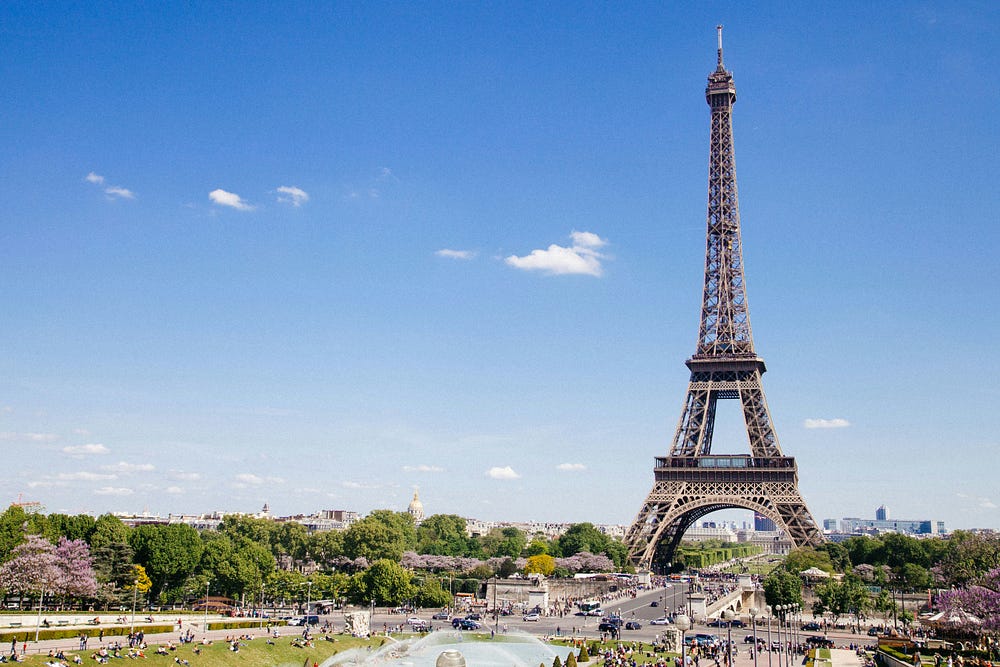
Consider Paris, for example. Its prestige is all but an illusion, a false sense of grandeur, yet 50 million tourists flock to the capital each year, many of whom go solely for the obligatory ‘Look at me! I’m touching the Eiffel Tower’ photos. What the majority of these people don’t see, however, is what occurs in the 18th and 19th arrondissements, just a stone’s throw from the Eiffel Tower, where crime rates are at an all-time high, and the surroundings are anything but picturesque…
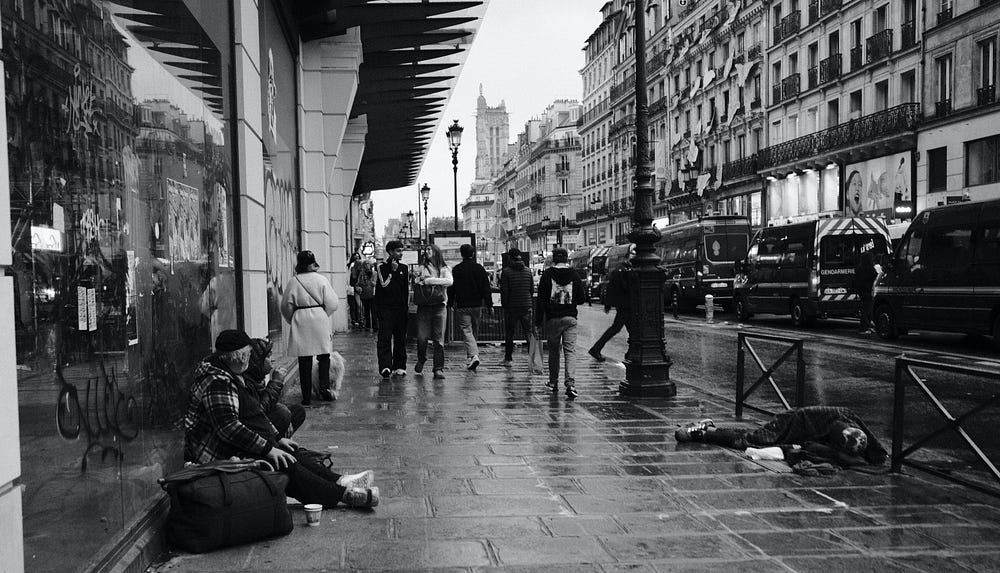
It’s hard to get one’s head around how a city with such immense wealth, a city that prides itself on its ability to attract 50 million tourists each year, can simultaneously sit by in blissful ignorance while over 4000 people are forced onto the streets.
If there was ever a prime example of the rich getting richer while the poor get poorer, it’s this…
When Paris’ tourism economy has been rated the most valuable in the world, at $36 billion (£31 billion), it’s difficult to see how Paris’ leaders can justify such a drastic division in the wealth (or lack thereof) of their people…
How can President Macron allow more and more hotel complexes to be built, and so much money to be continually invested into the tourism industry, all the while Parisians are living out of sleeping bags?
Another major city that has a huge problem with its division of wealth is London.
If you thought Paris was worth a lot at £31 billion, then London, which is worth a colossal £1.9 trillion (for its property alone), is on another level.
Why, when London has so many assets, are its people neglected so badly?
As of 2024, more than 183,000 Londoners were estimated to be homeless and living in temporary accommodation. This is the highest-ever level of recorded homelessness in the capital — equivalent to at least one in 50 Londoners.
What’s more, the above figure includes almost 90,000 children (one in 21), and heartbreakingly means that, on average, there is at least one homeless child in every London classroom.
Similarly to Paris, however, the masses of tourists (21.7 million) who visit the city each year don’t see the darker side of its streets, or the hungry children, and therefore, despite all of London’s problems, they keep coming back.
Cruising down the River Thames, hopping aboard the London Eye, marvelling at the sight of Big Ben (I still don’t understand the world’s obsession with a giant clock), people love London for the stereotype, which is all it is.
It is all but a stereotype of British politeness and cups of tea and red phone boxes and double-decker buses.
It is all but an illusion in the face of reality.
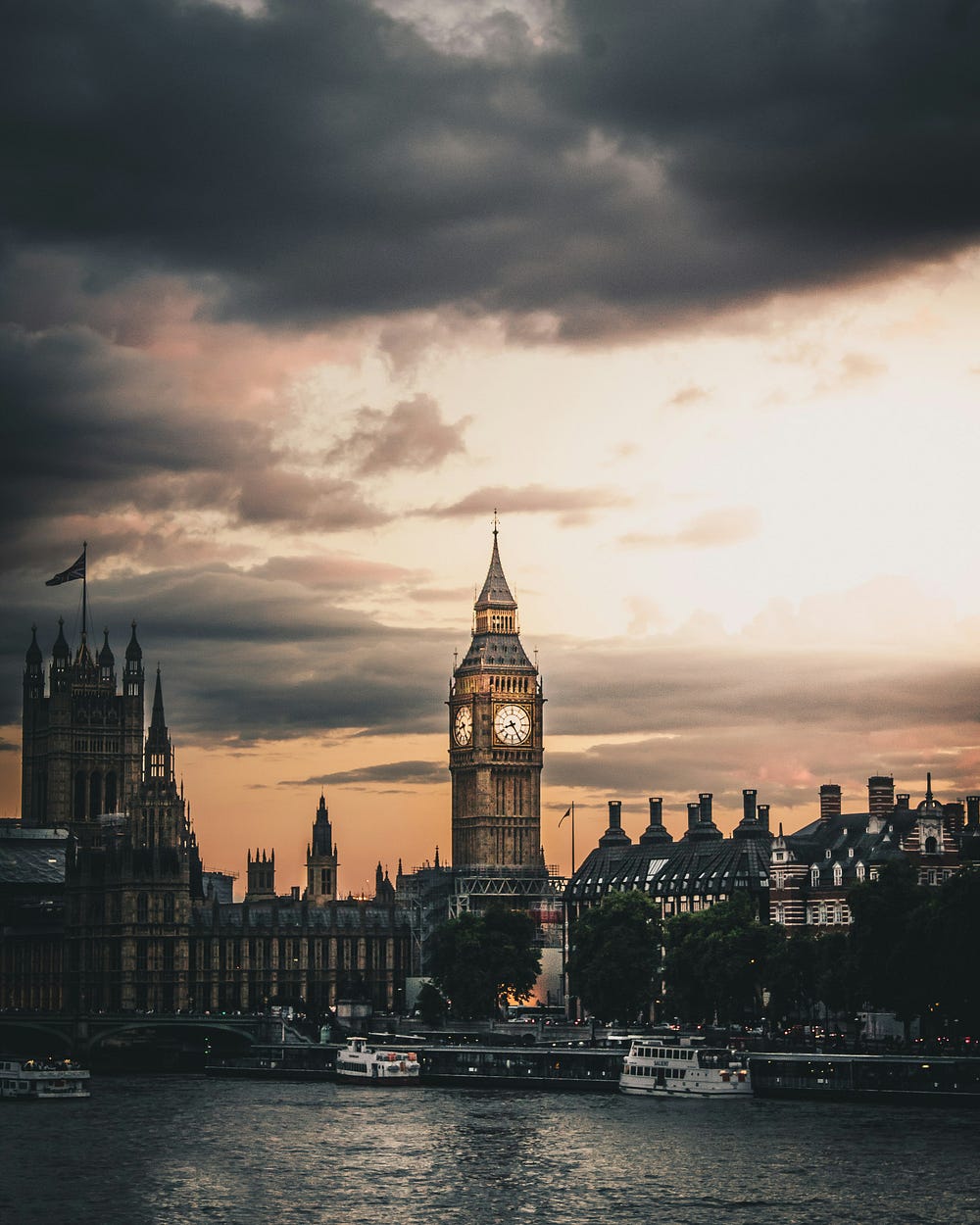
Tourism at its finest…
It’s not just cities that cover up their lack of humanity, either. The fact is that countries en masse present false ideals to drum up tourists, while neglecting the basic human rights of their native people along the way…
Italy is the first country that comes to my mind when I think about places that boast their riches to those on the outside, but deny giving those on the inside any semblance of humanity.
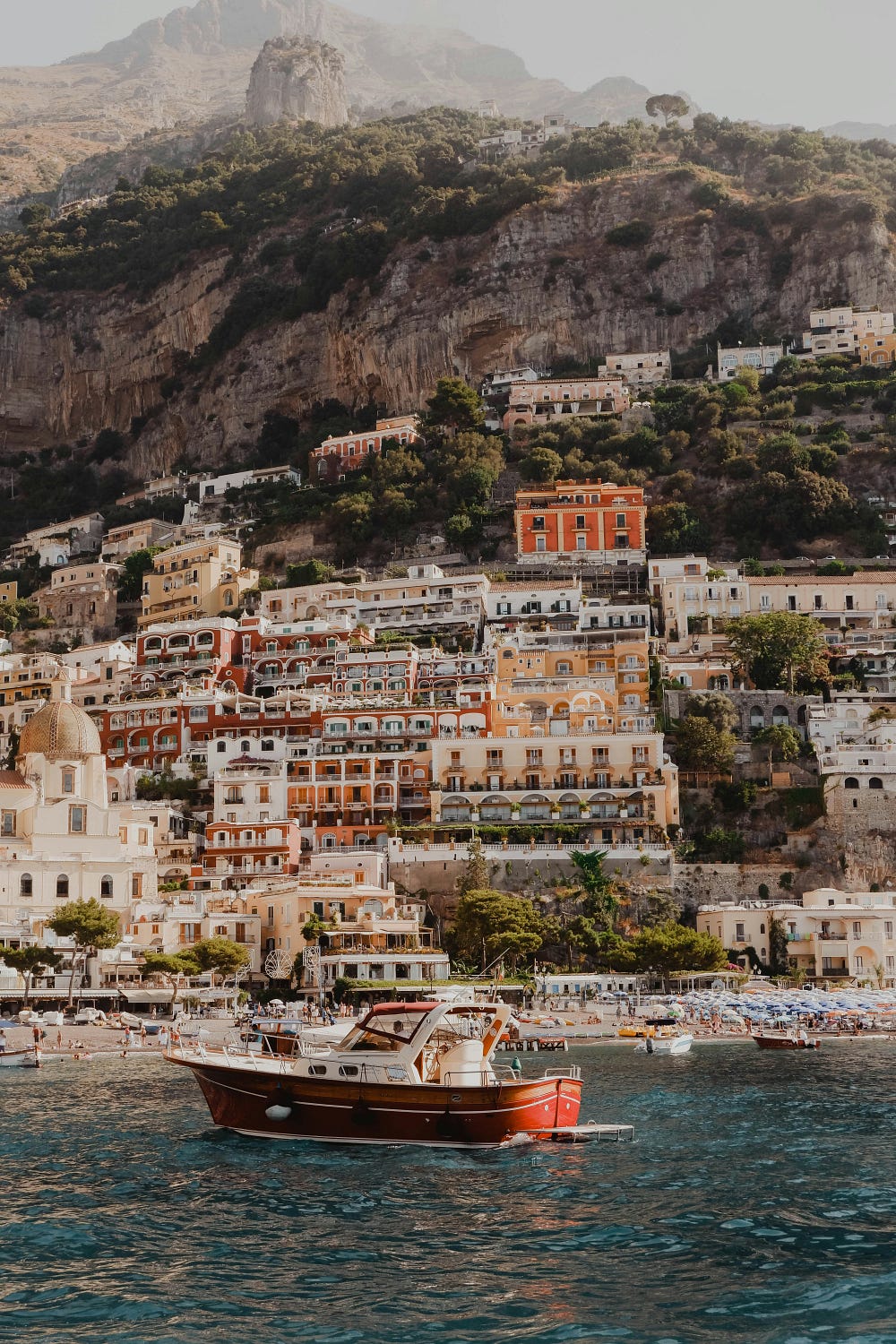
If you’re visiting the Amalfi Coast, which is arguably one of the most beautiful places in the world, you will likely fly into Naples’ airport, and, from there, travel via bus to a neighbouring town (Sorrento and Positano are the most popular areas in the Amalfi Coast for tourists).
There’s a reason why Naples is mainly used as a mere pass-through for tourists, though, and it’s due to the disparities that exist (again) concerning money.
Naples has been identified as the poorest major city in Italy, experiencing high rates of unemployment and socioeconomic disparities. What’s more, it is, in the eyes of many, a very dirty and run-down place.
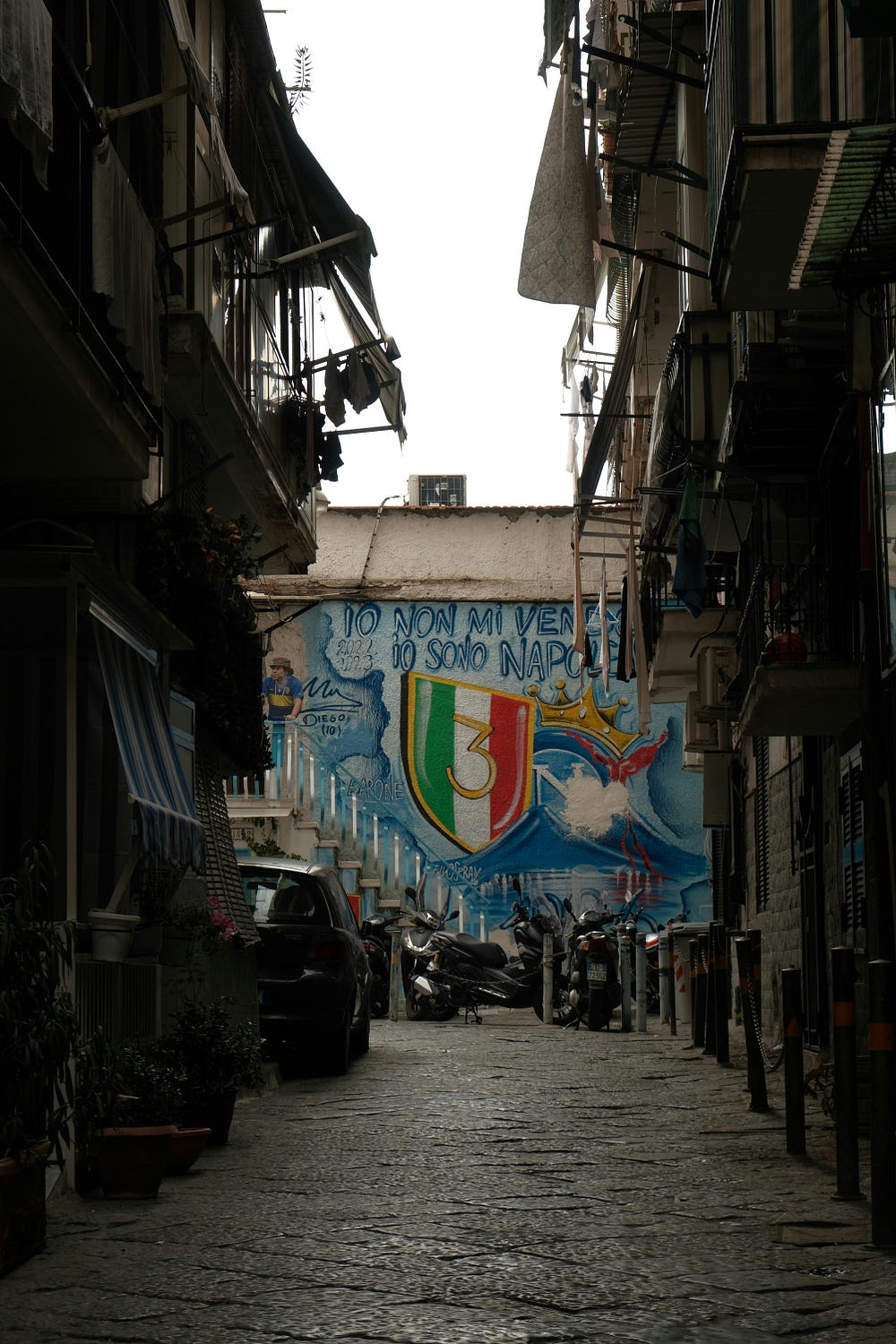
It’s fascinating how you can go from one extreme (poverty) to the other (luxury) in a one-hour drive.
The bakery with a sign in the window declaring it Italy’s ‘best kept secret’? Well, all I’m saying is that the real ‘best kept secret’ isn’t this, but that…
If it weren’t such a troubling situation, the ability that governments possess to present an illusion of a ‘paradise’ would actually be quite impressive. How they manage to conceal all the unfavourable parts of their country — the homelessness and the poverty, and the cause of it all, politics, is, in the worst way possible, nothing short of remarkable.
Italy’s best kept secret is actually its worst…
So, what can we do about it?
In order to taste the real essence of a country without waiting for the season to end, you must venture outside of the tourist areas. Doing so via public transport is a great way to travel and see lots of places in a short period of time.
Talk to the locals who work in your hotel; ask them about politics and the country outside of the four walls of your resort.
Make your trip less about consuming ‘stuff’, and more about creating a space for people to feel heard. And, if you have the means to do so, give people a space to share their stories and dispel the paradisiacal myth that their country’s leaders are portraying to the world.
Be a voice for the voiceless. Be a light in the dark.
When, like souls on earth, you are merely a visitor passing through someone else’s home, use your privilege as a force for good.
 ANARKISS