
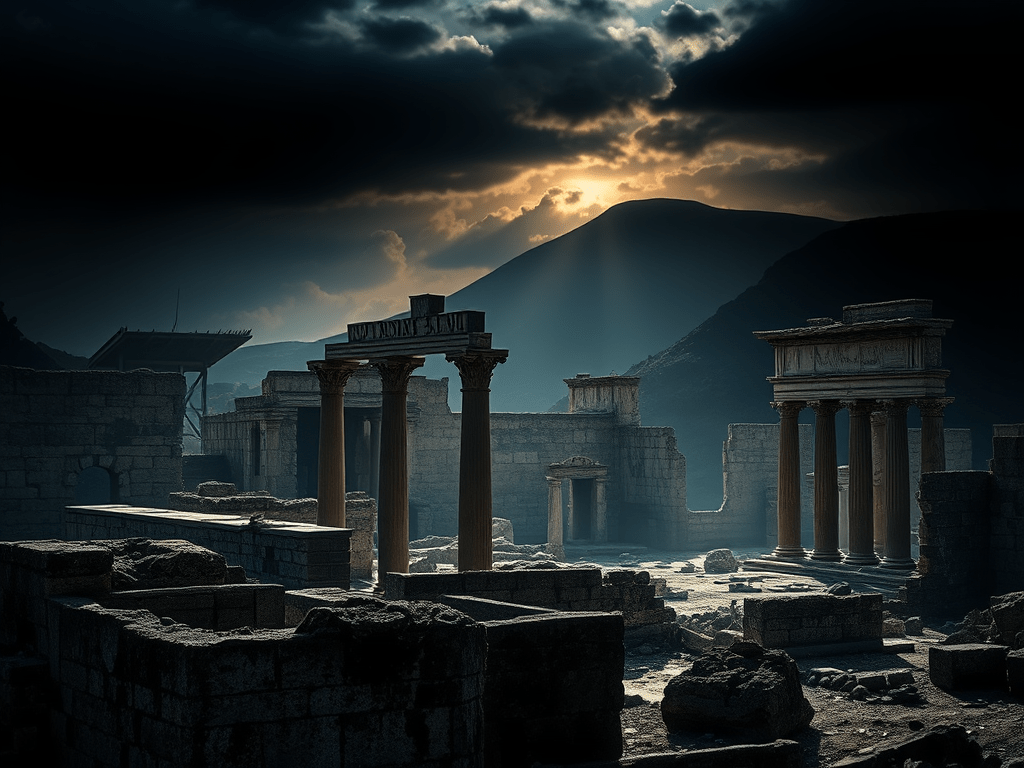
Last week, I had the privilege of visiting Southern Italy with my family. While I very much enjoyed eating my own bodyweight in pasta, pizza, and gelato down the picturesque streets of Sorrento, the highlight for me wasn’t the food, or even the sun, it was our trip to Pompeii.
Pompeii: An experience like no other
I can’t quite describe how it feels to be in a place that is today as it was over 1900 years ago. A 440,000 square metre city frozen in time. Were we wearing a VR headset in a museum? Everywhere we turned, there were remnants of a bygone time. Public baths and changing rooms. Private homes and stables. Even brothels. The most haunting part, however, was the Garden of the Fugitives, which contained the casts of 13 victims, some of whom were young children.
One can only imagine the fear that the inhabitants of Pompeii went through when they saw the smoke from the nearby Mount Vesuvius. As our audio guide informed us, they were caught as they desperately attempted to escape. But to no avail… One might survive the pumice rain, but they would ultimately die from asphyxiation.
Pompeii shows us the fragility of life. Specifically, humanity.
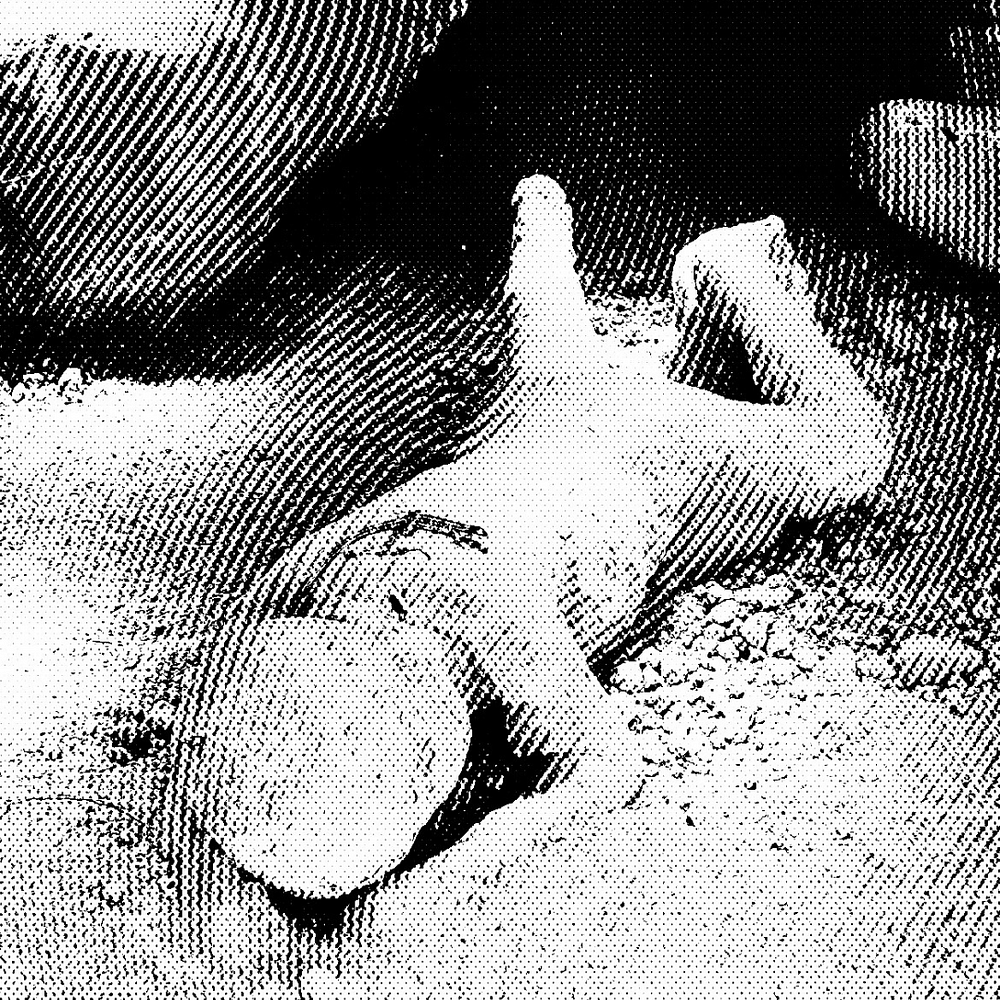
The eruption of Vesuvius in 79AD saw ash and pumice raining down on Pompeii for 12 hours. Those who had not already been killed by the pumice were soon asphyxiated as pyroclastic material — a fluidised mixture of hot rock fragments, hot gases, and entrapped air moving at high speed — followed.
Because Pompeians had no knowledge that they were living next to a time bomb until it exploded (they thought that Vesuvius was just a mountain), they had no time to prepare. And so, just like that, a whole city (and then some — Herculaneum, Stabiae, and Torre Annunziata were also destroyed by the eruption) was brought to its knees in just two days…
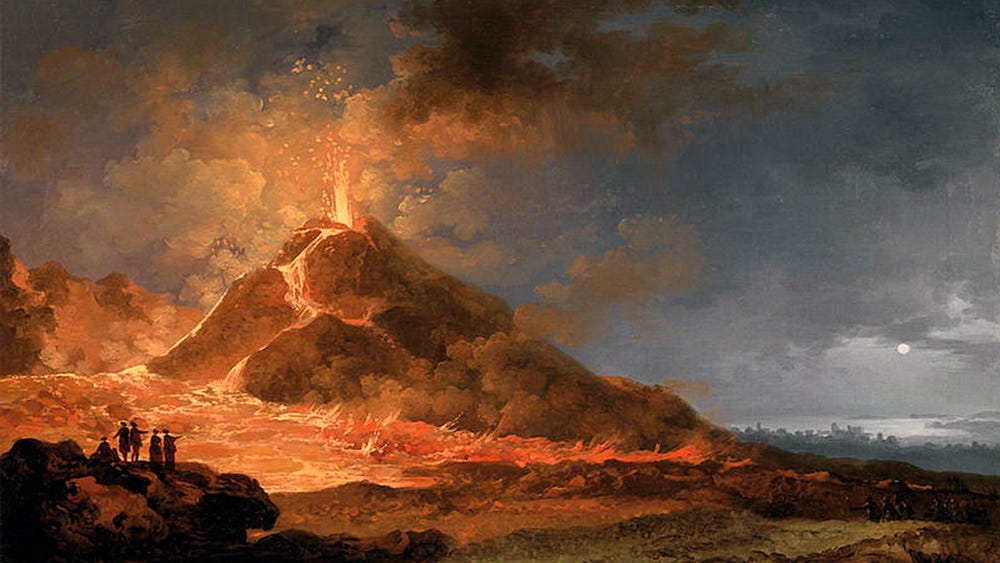
Could it happen again?
According to scientists, Mount Vesuvius is due (overdue, in fact) for another major eruption, ‘potentially on a large scale.’
Anticipating this threat, Naples officials have organised neighbouring cities into zones. Those in the “red zone”, of which there are an estimated 700,000 people, must evacuate if the threat level rises high enough.
What does this tell us? It tells us that nature has always ruled, as it will continue to rule.
And so, to the twenty-something-year-old visiting Pompeii to rack up likes on Instagram, filming himself all duck-faced pout in front of a curled-up cast of a dead child, I ask, ‘can’t you see the fable etched into the walls?’
We cannot control nature.
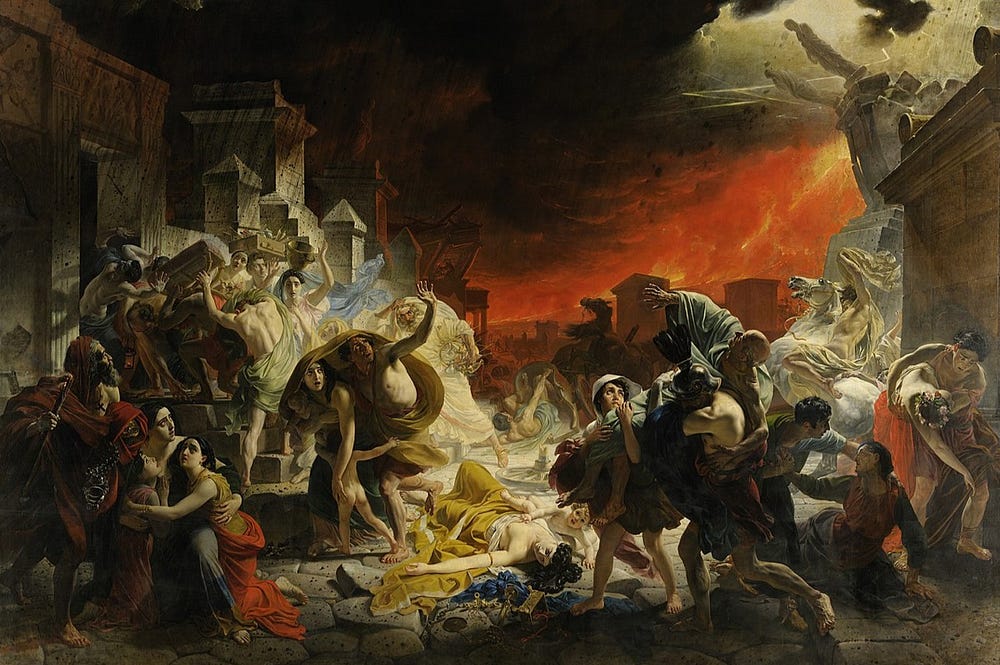
History tells us that the people of Pompeii had one full day to evacuate once Mount Vesuvius started to show volcanic activity. And yet, many of the 2000 people who died decided to stay in their luxurious villas and pray to the Gods instead of evacuating the city.
They valued their materialistic possessions more than the value of their own lives, and they paid dearly for it.
Isn’t that a dark reflection of the tragedies that are currently affecting our world?
Starving the earth to feed the man.
We cannot control nature.
 ANARKISS